1. Meaning of Unity in Diversity
The phrase “Unity in Diversity” means harmony without uniformity. It means that even though people are different in many ways — by religion, caste, language, or culture — they can still live together peacefully and work for common goals. In India, this principle is not just a slogan but a way of life. It represents the acceptance, respect, and celebration of differences.
2. Cultural and Linguistic Diversity
India is a land of immense cultural richness. Each region has its own festivals, food, dress, music, and dance forms.
In the north, you might find the vibrant celebrations of Holi and Diwali.
In the south, you’ll experience Onam and Pongal.
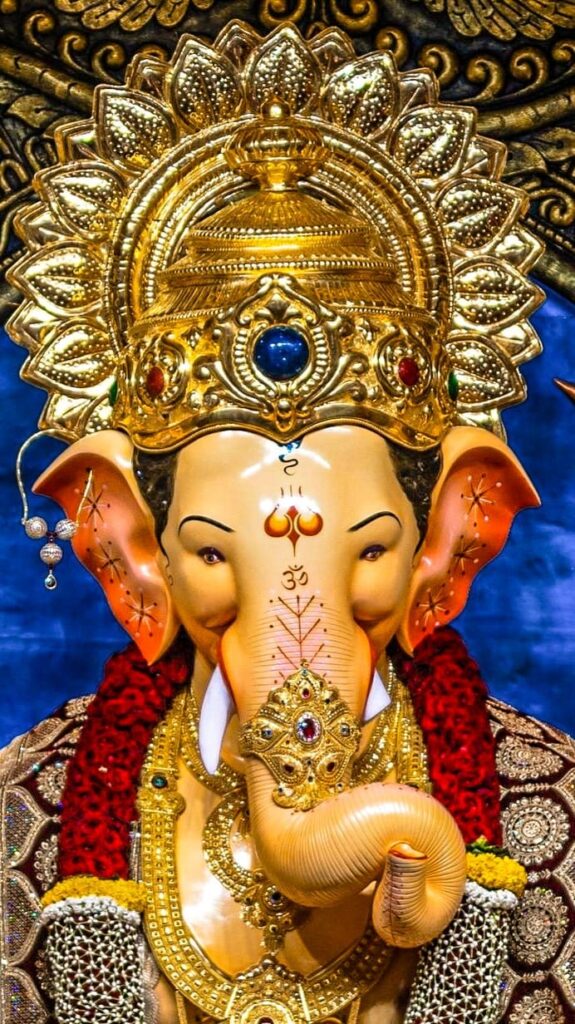
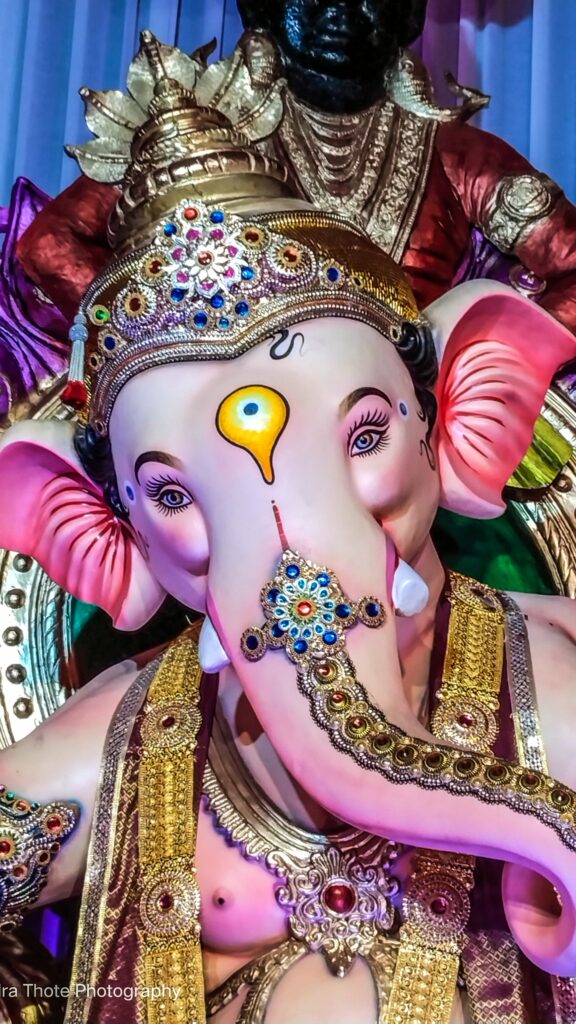
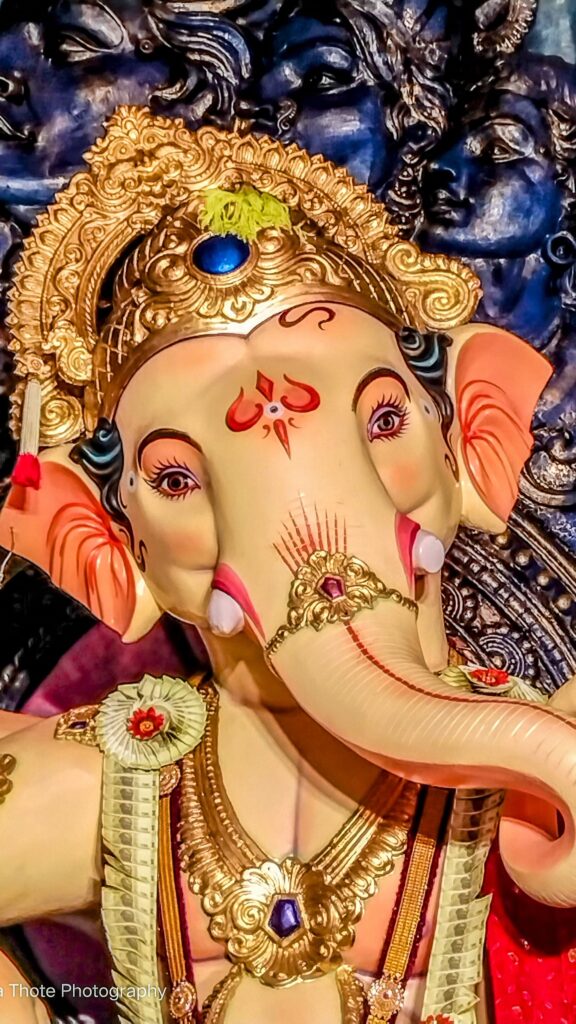
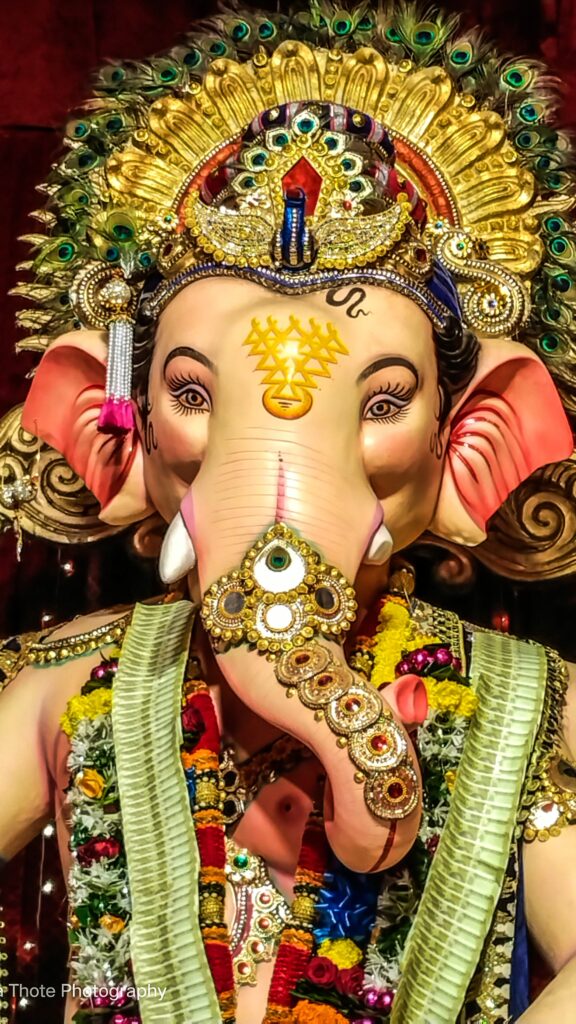
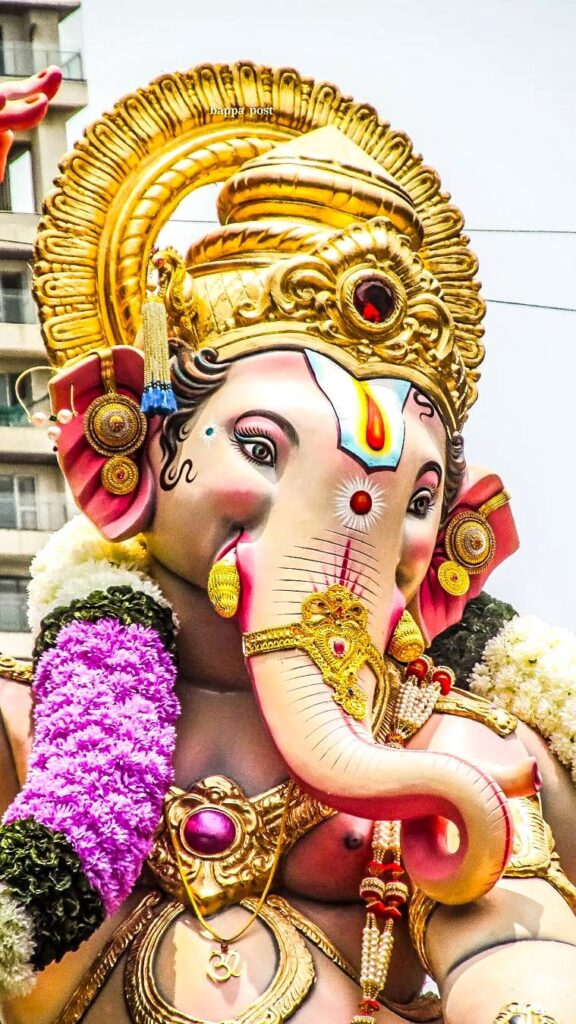
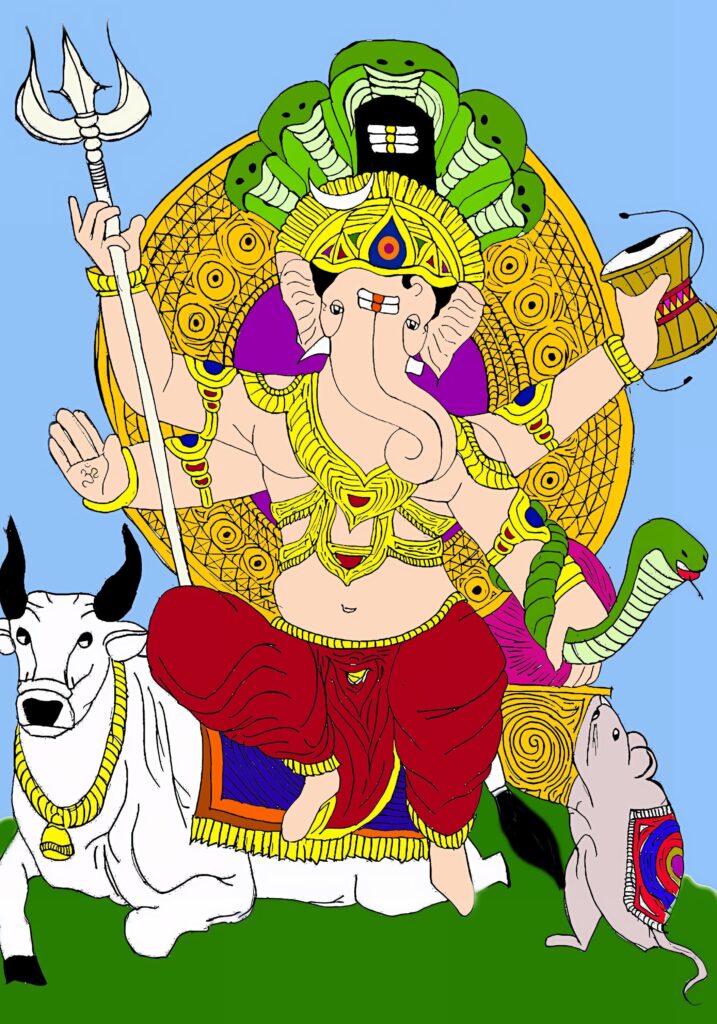
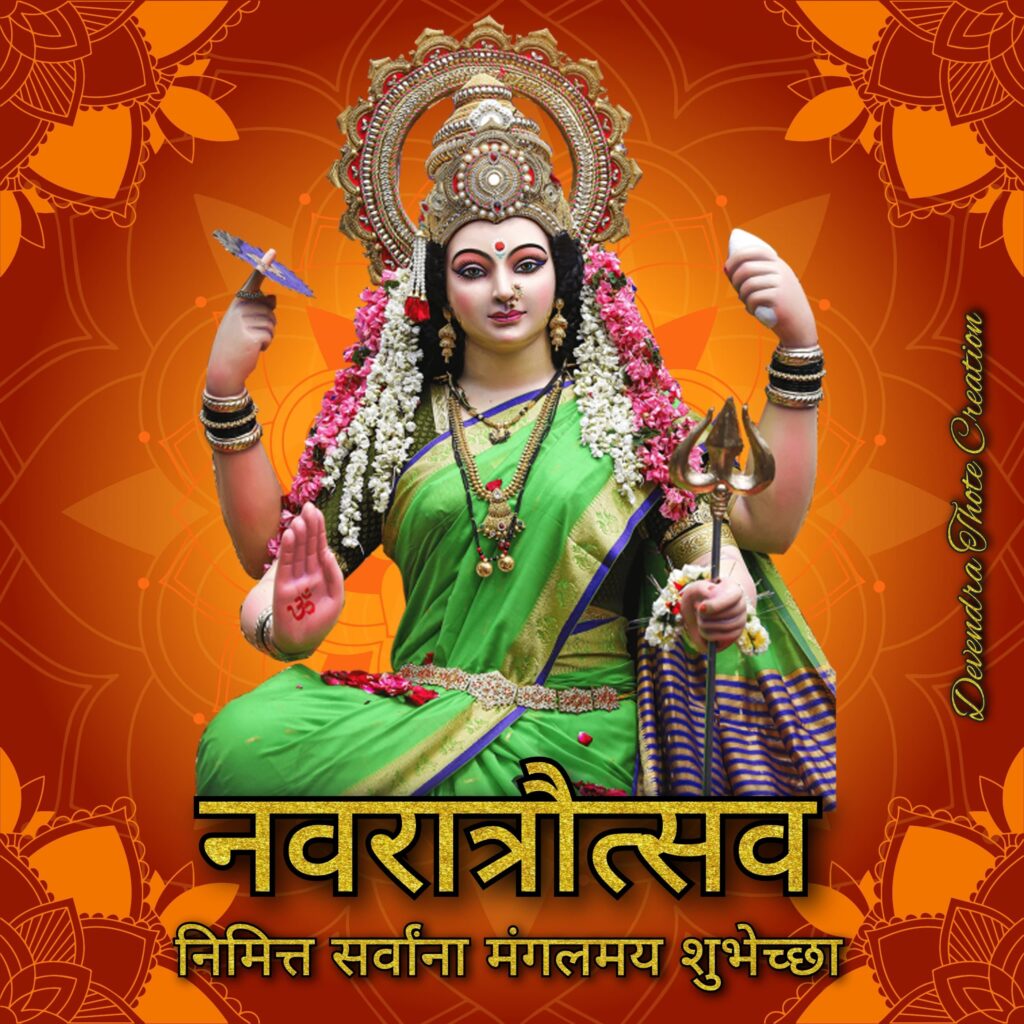
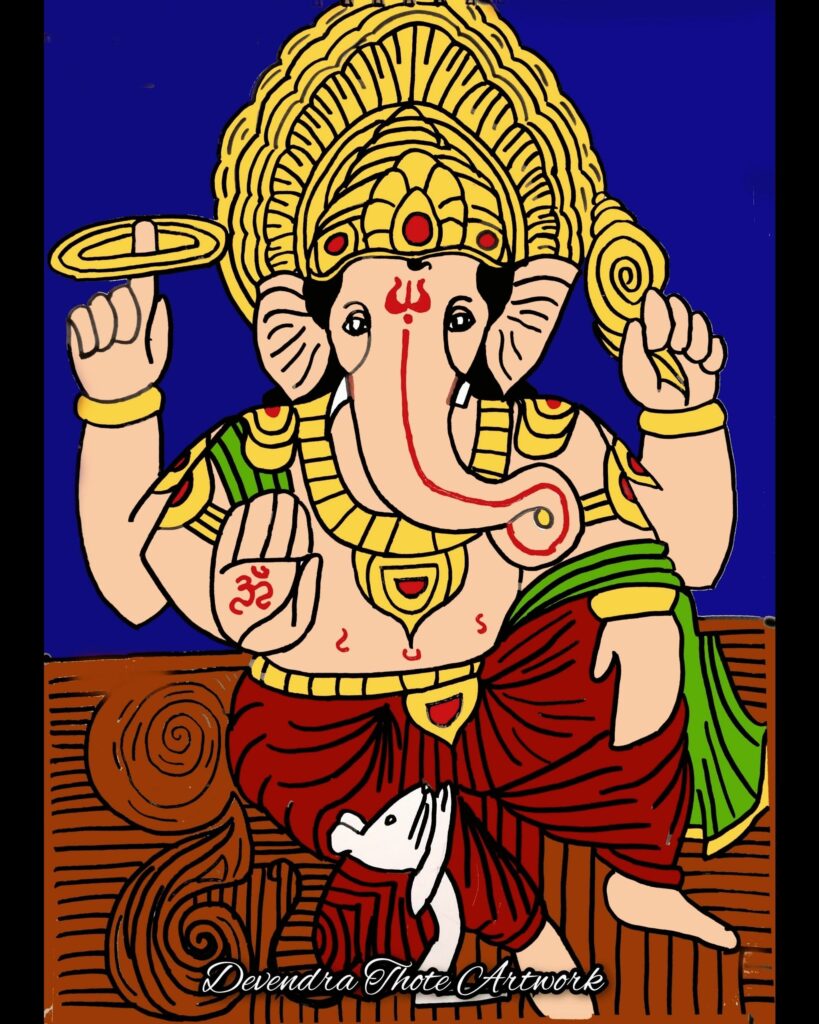
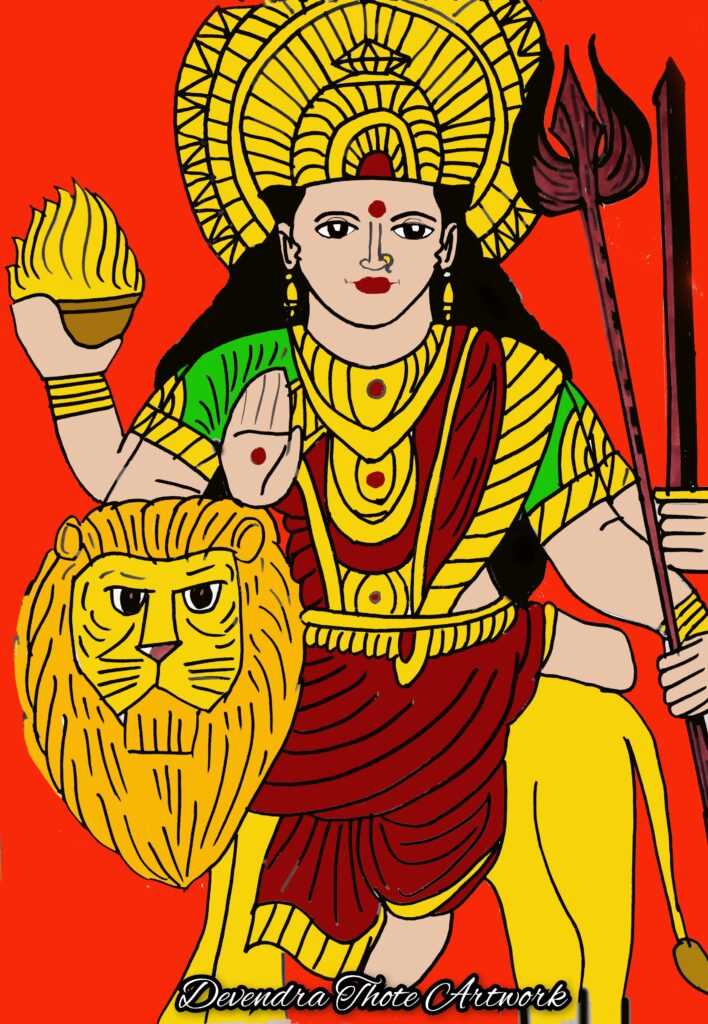
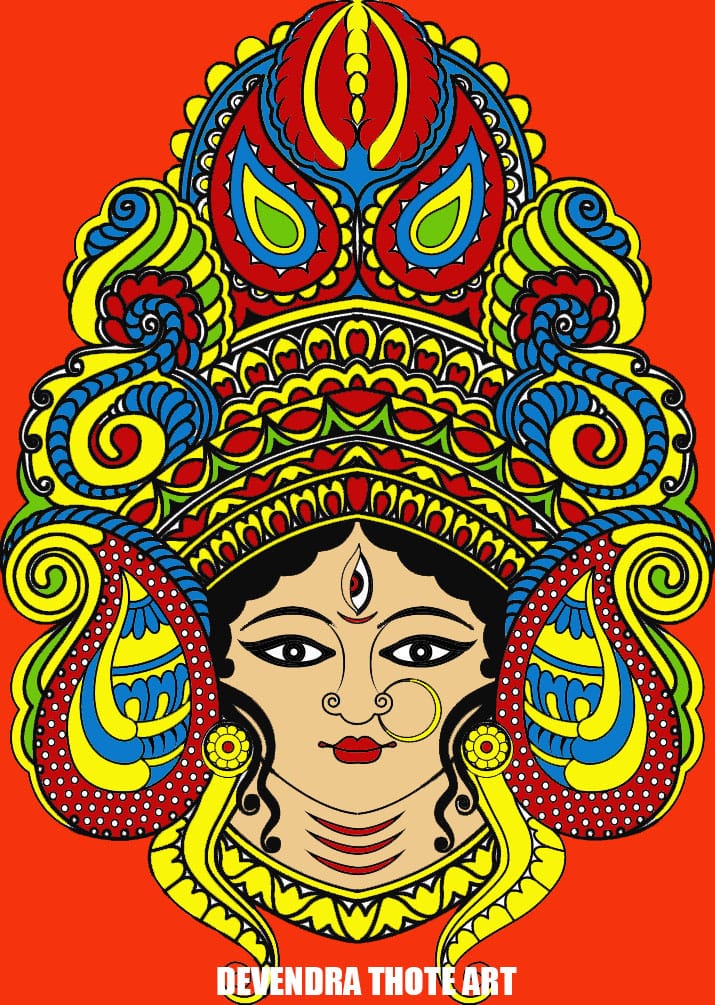
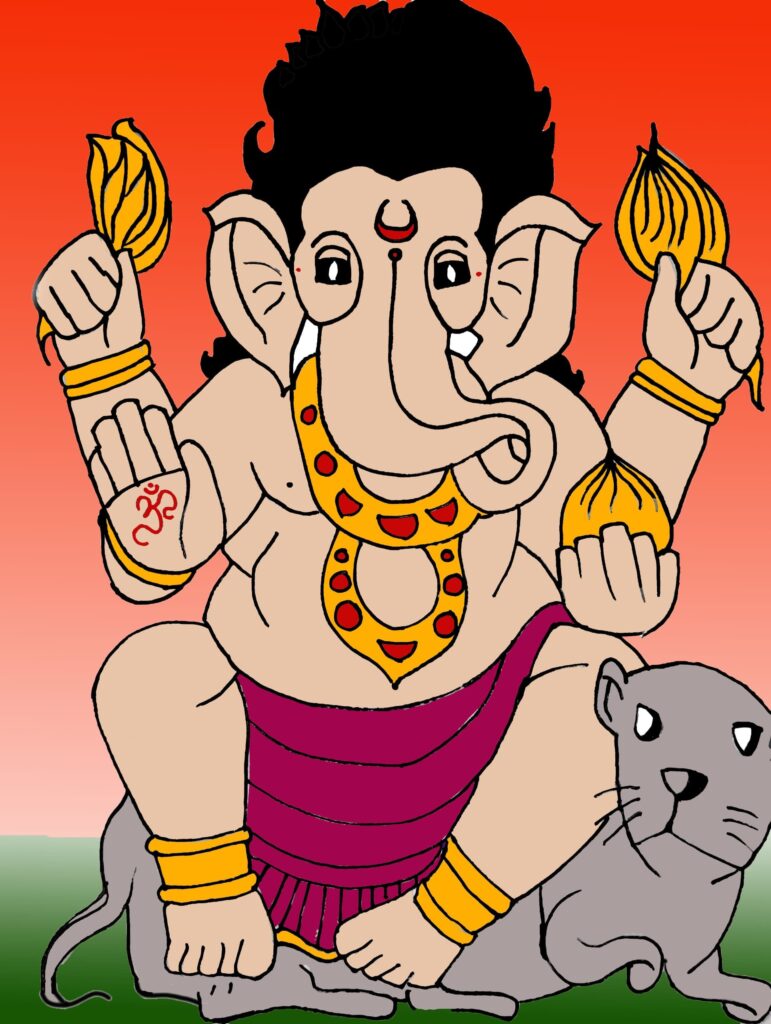
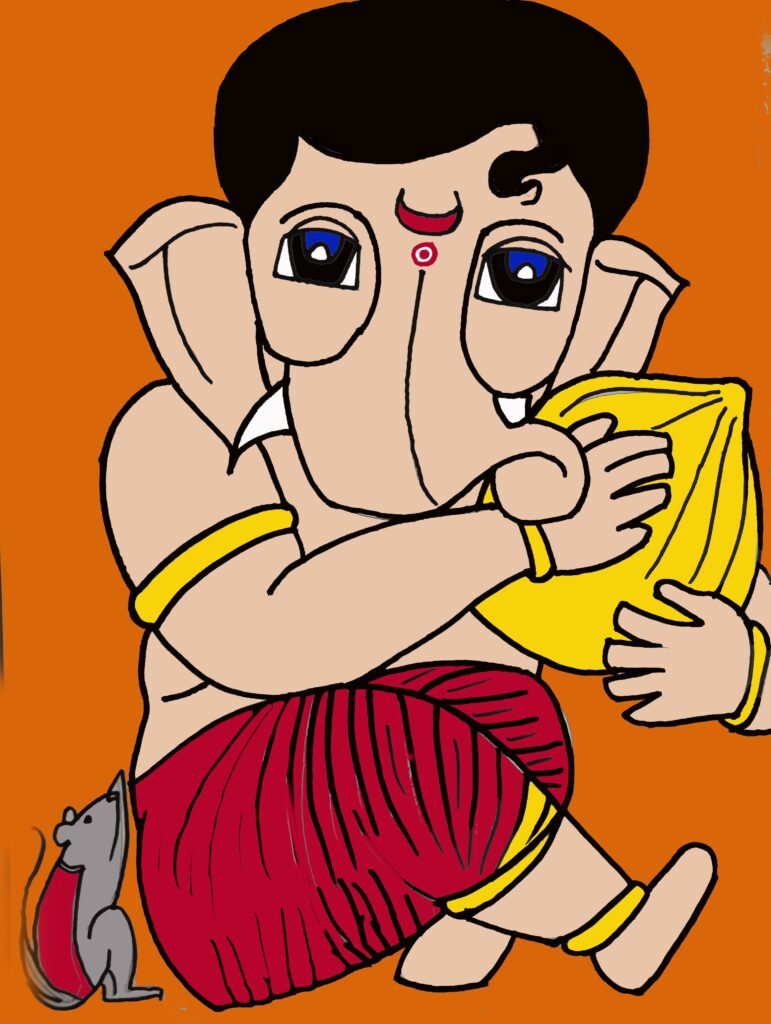
In the east, Durga Puja lights up the cities, while the west celebrates Ganesh Chaturthi with devotion.
India also has 22 officially recognized languages and hundreds of dialects, yet people communicate and connect through mutual respect and understanding. This diversity in expression enhances the beauty and depth of Indian culture.
3. Religious Harmony
India is the birthplace of major religions like Hinduism, Buddhism, Jainism, and Sikhism, and is home to millions of Muslims, Christians, and people of other faiths. Despite differences in beliefs and practices, the spirit of tolerance and coexistence runs deep in Indian society. People of all faiths come together during national festivals and in times of need, showing that compassion and humanity are stronger than any division.
4. Geographical and Ethnic Diversity
From the snow-covered Himalayas in the north to the sun-kissed beaches of the south, from the deserts of Rajasthan to the rainforests of the Northeast, India’s geography is as diverse as its people. Each region’s climate and landscape have influenced its customs, attire, and lifestyle — yet all regions contribute equally to the nation’s identity and prosperity.
5. Political and Constitutional Unity
India’s Constitution is a remarkable example of unity in diversity. It guarantees equality, justice, and freedom to all citizens, regardless of religion, caste, or gender. It promotes secularism — meaning that the state treats all religions equally — and democracy, where every citizen has a voice. This framework allows India’s diversity to flourish while maintaining national unity and peace.
6. Unity During Challenges
Throughout history, Indians have come together in times of crisis — whether during the freedom struggle against British rule, natural disasters, or modern challenges like pandemics. This collective spirit shows that despite external and internal differences, the people of India share one heart and one destiny.
7. Importance of Unity in Diversity
Promotes Social Harmony: Encourages tolerance, respect, and peaceful coexistence among different communities.
Strengthens National Identity: Diversity enriches national culture and makes India unique in the world.
Encourages Development: Unity among diverse groups ensures cooperation and collective progress.
Inspires the World: India stands as a global example of how people with different beliefs and lifestyles can live together in peace and democracy.
Conclusion
India’s unity in diversity is not merely a slogan; it is the soul of the nation. It shows that real strength lies not in uniformity, but in the ability to embrace and celebrate differences. The Indian spirit teaches the world that diversity, when respected and nurtured, becomes a source of beauty, creativity, and resilience.
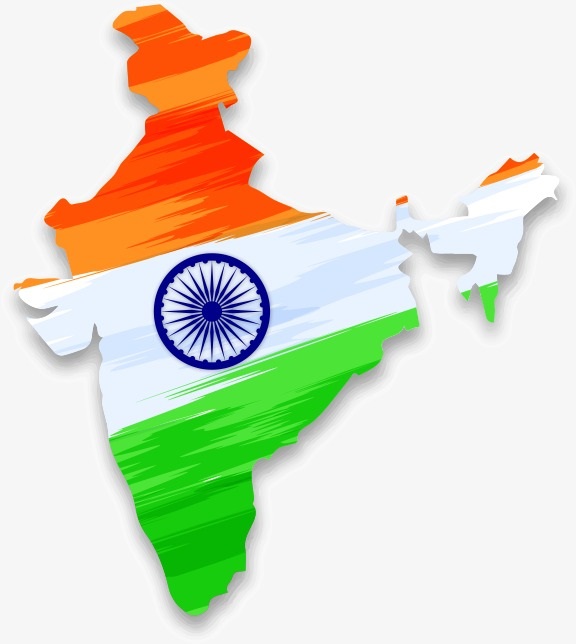
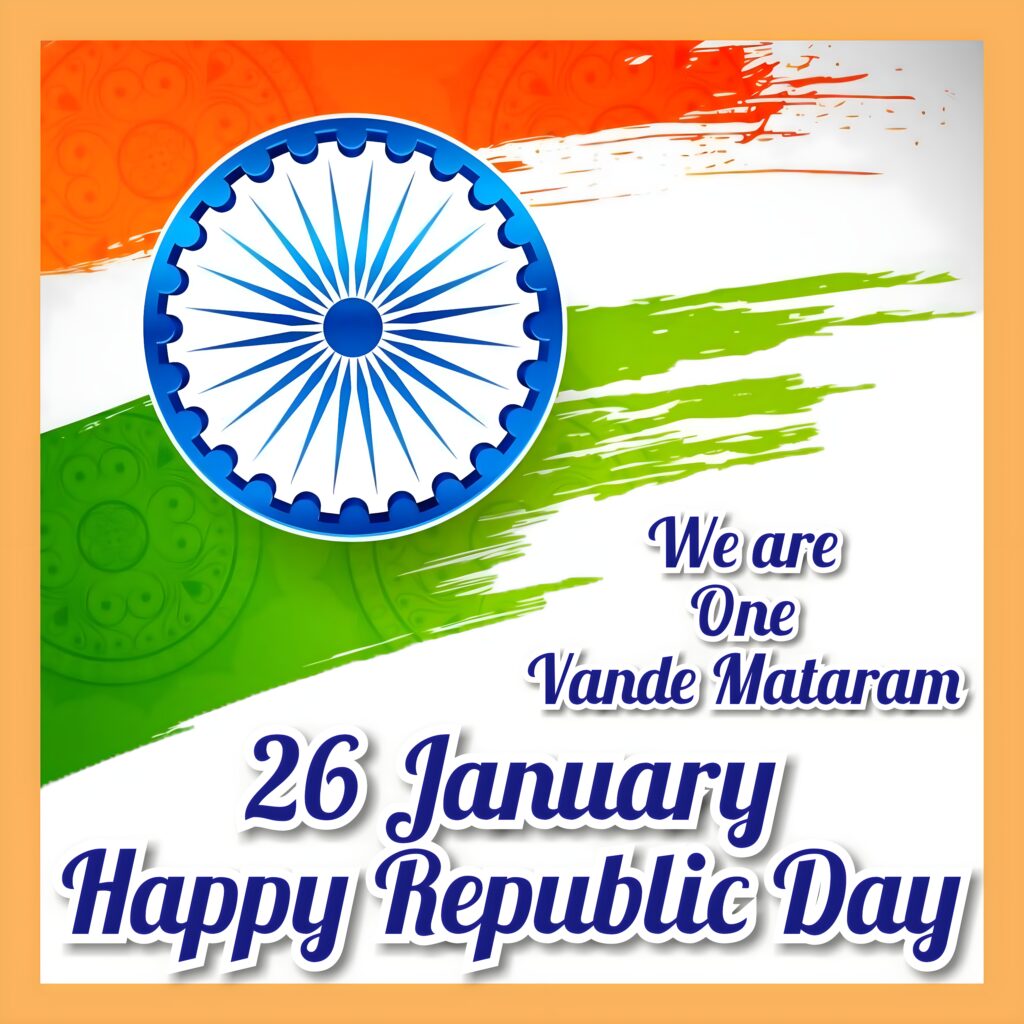
India remains a shining example of how millions of people, diverse in every sense, can live together in harmony — proud of their roots, yet united under one flag, one Constitution, and one nation.