
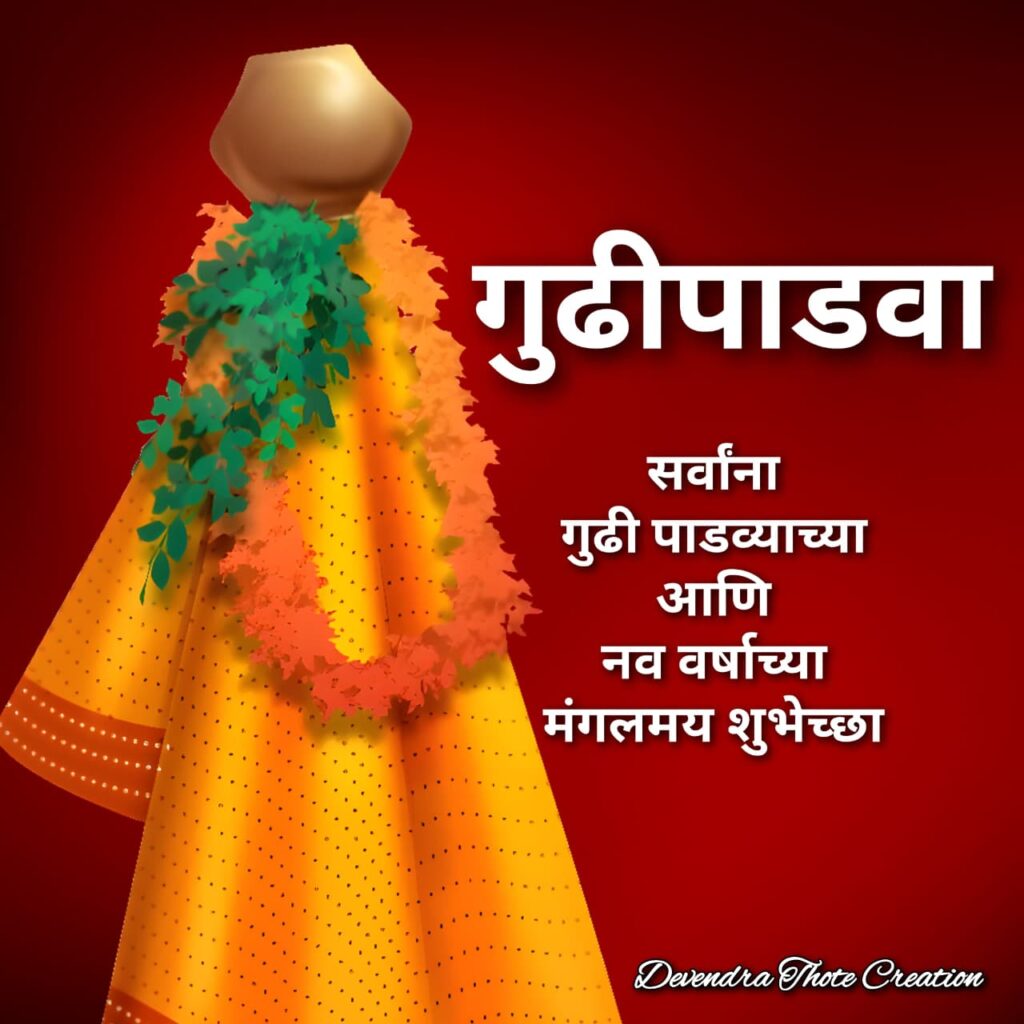
1. Chaitra Gudi Padwa – The Beginning of the Hindu New Year
Gudi Padwa is one of the most sacred festivals in Hindu culture and is celebrated mainly in Maharashtra on the first day of the Hindu month Chaitra according to the lunisolar calendar. It marks the Hindu New Year and the arrival of spring, symbolizing new beginnings, prosperity, and victory of good over evil.
Mythological Story Behind Gudi Padwa
According to Hindu mythology, on this auspicious day Lord Brahma created the universe and began the cycle of time. Therefore, this day is believed to be the first day of creation, making it extremely sacred.
Another belief associates the festival with the victory of Lord Rama over the demon king Ravana and his return to Ayodhya after fourteen years of exile. People raised the Gudi (victory flag) to celebrate the triumph of righteousness.
Historically, the festival is also linked to the great Maratha king Chhatrapati Shivaji Maharaj, whose victories inspired people to raise the Gudi as a symbol of pride, courage, and success.
Tradition of Raising the Gudi
A Gudi is prepared using:
A bamboo stick
A bright silk cloth
Neem leaves
Mango leaves
A garland of flowers
A copper or silver pot placed upside down on top
The Gudi is raised outside homes to symbolize:
Victory of good over evil
Prosperity and protection
Divine blessings for the new year
People clean their homes, decorate entrances with rangoli, wear new clothes, and prepare traditional foods like Puran Poli and neem-jaggery mixture which represents accepting both sweet and bitter experiences in life.
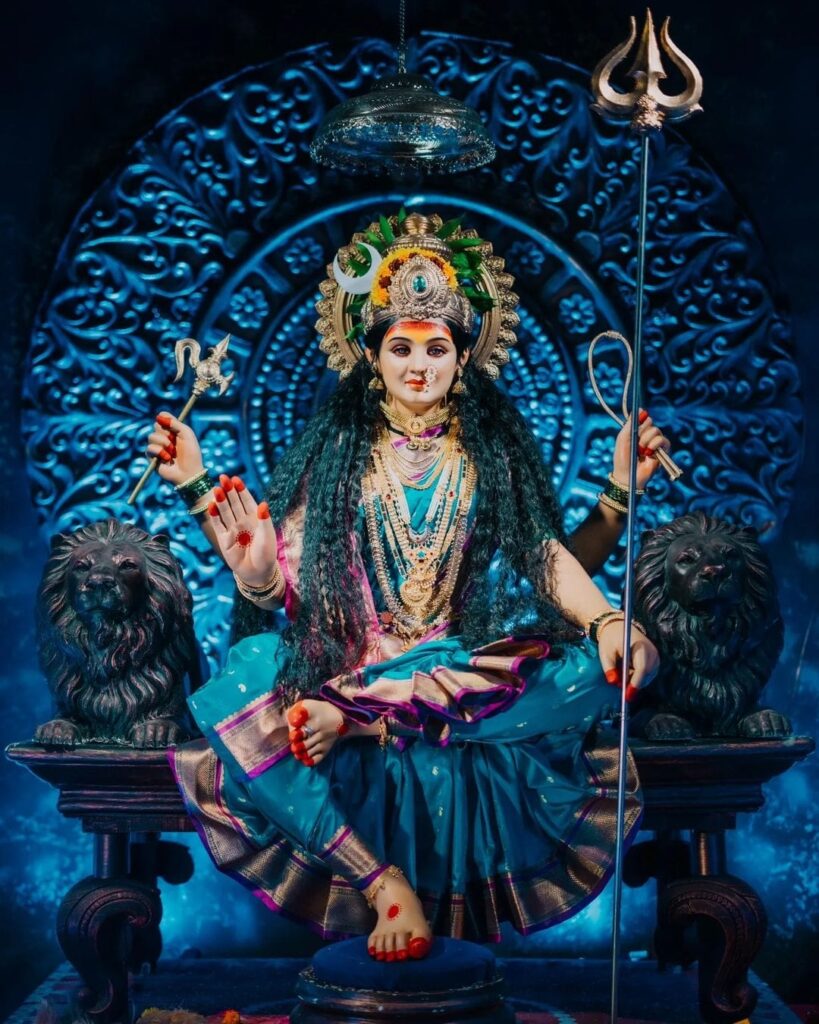
2. Chaitra Navratri – Worship of the Divine Mother 🌺
Chaitra Navratri begins on the same day as Gudi Padwa and continues for nine sacred nights dedicated to the worship of the Divine Mother Goddess Durga and her nine forms called Navadurga.
The Sacred Story Behind Navratri
According to Hindu scriptures, the demon king Mahishasura gained immense power and began troubling the gods and humanity. To destroy this evil, the combined energies of Lord Brahma, Lord Vishnu, and Lord Shiva created the powerful Goddess Durga.
A fierce battle lasted for nine days and nights, and on the tenth day the Goddess defeated Mahishasura. This victory symbolizes the triumph of divine power and righteousness over evil and ignorance.
Nine Forms of Goddess Worshipped
During Navratri, devotees worship nine forms of the Divine Mother:
Shailaputri
Brahmacharini
Chandraghanta
Kushmanda
Skandamata
Katyayani
Kalaratri
Mahagauri
Siddhidatri
Devotees observe fasting, perform prayers, chant mantras, and meditate for spiritual purification.
Importance of Gudi Padwa and Chaitra Navratri
1. Spiritual Importance
Symbolizes renewal of life and spiritual awakening.
Encourages devotion to God and purification of mind and soul.
Teaches the eternal truth: Goodness always triumphs over evil.
2. Cultural Importance
These festivals preserve ancient traditions of Hindu civilization and unite families and communities through rituals, prayers, music, and celebration.
3. Social Importance
Encourages charity, kindness, and compassion.
Brings communities together in harmony and unity.
Promotes respect for nature, seasons, and cosmic order.
4. Moral and Philosophical Message
The festivals remind humanity that:
Life is a cycle of creation, protection, and transformation.
Positive thinking, courage, and faith can overcome negativity.
Every human being must follow dharma (righteousness).
Legacy and Heritage in Hindu Civilization
For thousands of years, these festivals have been an important part of Hindu heritage. They connect people with ancient scriptures, mythology, and spiritual philosophy.
They teach the timeless values of:
Truth
Dharma
Respect for nature
Unity of all living beings
The message of these festivals reflects the great Hindu philosophy “Vasudhaiva Kutumbakam” — the whole world is one family.
Conclusion
Chaitra Gudi Padwa and Chaitra Navratri are not just festivals but spiritual celebrations of creation, courage, faith, and renewal. They remind humanity to walk on the path of righteousness, respect nature, and live in harmony with all beings. These traditions continue to inspire generations and preserve the rich cultural and spiritual heritage of Hindu civilization.