
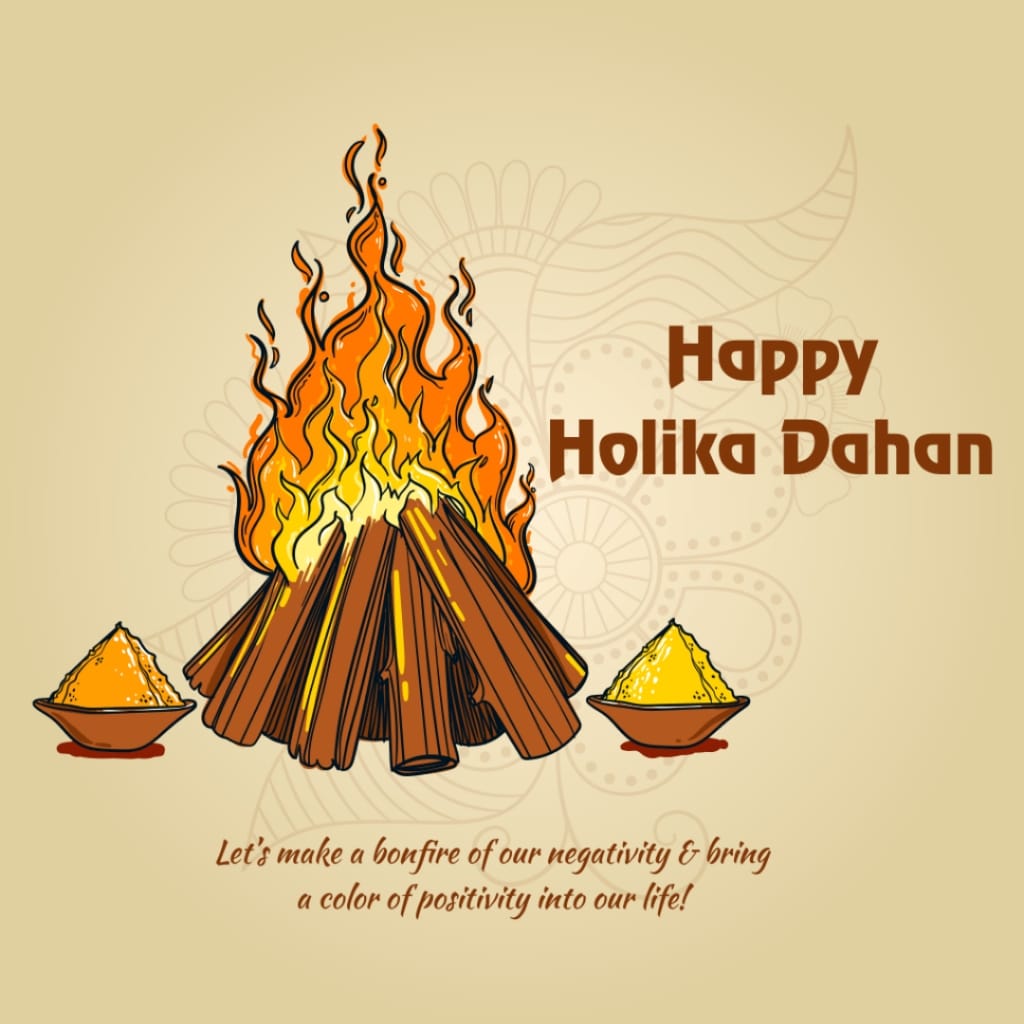
The Story of Holika Dahan and the Festival of Colors – Holi
Holi is one of the most joyful and vibrant festivals in India. It is celebrated to mark the victory of good over evil, the arrival of spring, and the spreading of love and happiness. The festival has two main parts: Holika Dahan (the bonfire night) and Rangwali Holi (the festival of colors).
The Mythological Story of Holika Dahan
The origin of Holi comes from the legend of the demon king Hiranyakashipu.
Hiranyakashipu’s Ego
Long ago, Hiranyakashipu performed severe penance and received a powerful boon from Lord Brahma. Because of this boon, he believed he was almost immortal. Filled with arrogance, he ordered everyone in his kingdom to worship only him.
But his own son, Prahlada, was a great devotee of Lord Vishnu. No matter how much Hiranyakashipu tried to stop him, Prahlada continued chanting Vishnu’s name.
Attempts to Kill Prahlada
The furious king tried many times to kill Prahlada:
He was thrown from a mountain
Poison was given to him
Elephants were ordered to crush him
But each time, Lord Vishnu protected the innocent child.
Holika’s Plan
Finally, Hiranyakashipu sought help from his sister Holika, who had a magical boon that fire could not burn her.
Holika tricked Prahlada into sitting on her lap in a blazing fire. She believed she would survive while Prahlada would perish.
But divine justice prevailed.
Because Holika used her boon for evil:
Holika was burned to ashes
Prahlada remained completely safe due to his devotion
This event symbolizes that evil destroys itself while faith and goodness always win.
The End of Hiranyakashipu
Later, to protect Prahlada and end the tyranny, Lord Vishnu appeared in the fierce form of Narasimha and killed Hiranyakashipu, fulfilling the conditions of Brahma’s boon.
Why Holika Dahan is Celebrated
On the night before Holi, people light bonfires to symbolize:
Burning of evil (Holika)
Protection of devotion (Prahlada)
Victory of truth over arrogance
People gather around the fire, pray, and perform rituals for purification and protection.
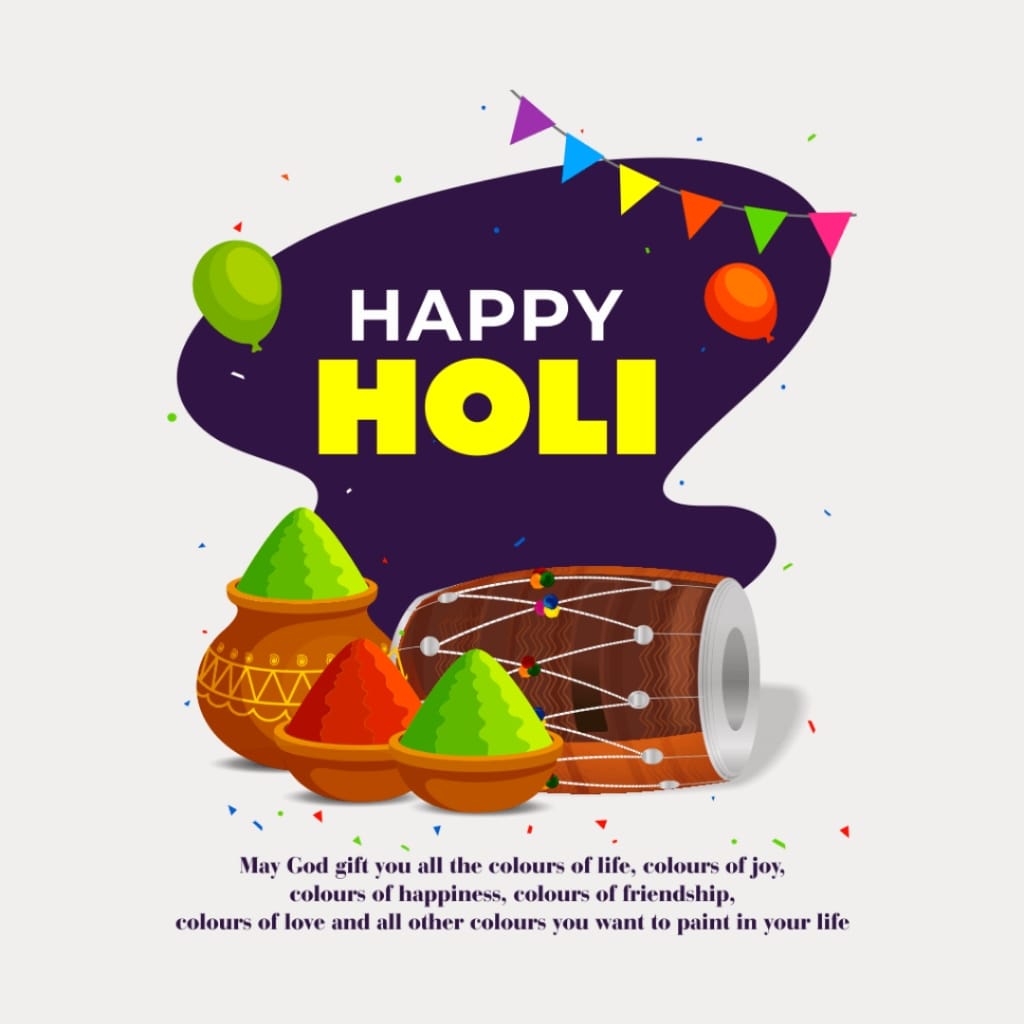
The Festival of Colors – Rangwali Holi
The next day is the joyful festival of colors, associated with Lord Krishna and Radha. Holi the festival of color
Krishna and Radha’s Playful Holi
According to tradition:
Young Krishna had a dark complexion
He worried whether fair Radha would like him
His mother Yashoda playfully suggested he apply color on Radha’s face
Krishna followed her advice, and this playful act became the origin of playing with colors on Holi.
Since then, Holi has symbolized:
Love beyond differences
Joyful unity
Playfulness and friendship
How Holi is Celebrated
On Holika Dahan Night
Bonfires are lit in the evening
People perform parikrama (circumambulation)
Grains and coconuts are offered
Families pray for protection from evil
On Rangwali Holi Day
People apply gulal and colored water
Friends and families visit each other
Sweets like gujiya are shared
Music, dance, and celebrations fill the air
Importance of Holi in Human Life
1. Victory of Good Over Evil
Holi reminds us that truth, faith, and righteousness always defeat arrogance and wrongdoing.
2. Power of Devotion
Prahlada’s story teaches that sincere devotion and pure faith protect us even in difficult times.
3. Social Harmony
Holi breaks social barriers. People forget past conflicts and celebrate together, promoting unity and brotherhood.
4. Celebration of Spring
Holi marks the end of winter and the arrival of spring, symbolizing new beginnings, growth, and positivity.
5. Emotional Renewal
Playing with colors encourages people to let go of negativity, forgive others, and start fresh relationships.
6. Cultural and Spiritual Significance
The festival blends mythology, devotion, nature, and community bonding—making it deeply meaningful in Indian culture.
The Deeper Message of Holi
Holi teaches us:
Burn your ego like Holika
Keep faith like Prahlada
Spread love like Krishna
Fill life with colors of joy and kindness